Outdoors Accessibility Design Guidelines
These new Outdoors Accessibility Design Guidelines have been launched to improve access to outdoor recreation spaces for people with impairments and accessibility needs in New Zealand.
Developed by Recreation Aotearoa (who deliver Green Flag Award in New Zealand), in collaboration with an Outdoors Accessibility Working Group—a team of industry professionals and accessibility experts, including people with lived experience of disability—these guidelines are the first of their kind in New Zealand.
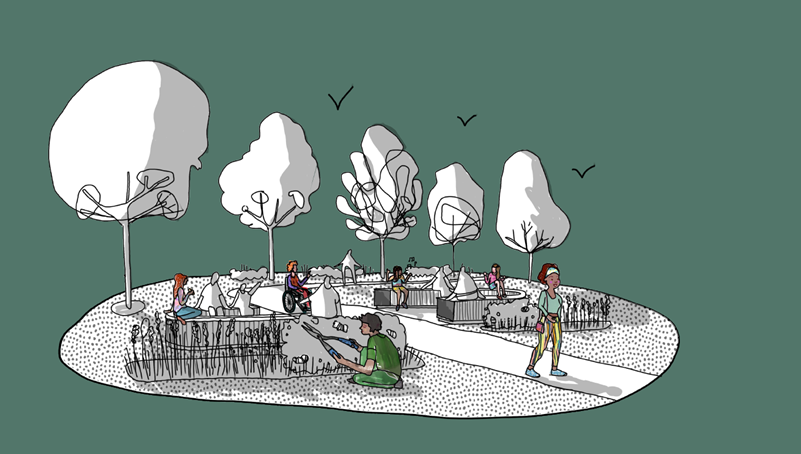
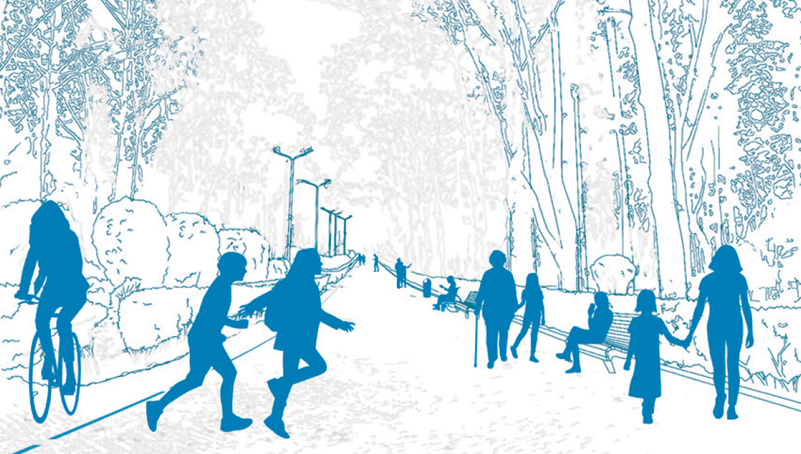
The Outdoors Accessibility Design Guidelines provide clear, practical advice for everyone involved in creating, maintaining, or advocating for accessible outdoor spaces. They focus on improving access to places like beaches, lakes, parks, and trails, helping to make outdoor recreation more inclusive.
Key topics include:
- Planning for accessibility – How to include accessibility from the start of a project.
- Community engagement – Working alongside the disability community to create inclusive design.
- Outdoor features – Practical guidance on accessible signage, parking, toilets, picnic areas, drinking fountains, rubbish bins, jetties, fishing pontoons, and maimais (duck shooting huts).
- Trail design – Specifications for making mountain biking and walking trails more accessible.
For more accessibility related resources apply the "A Welcoming Place" filter on the dashboard of the Resources Hub.

About Recreation Aotearoa:
"We are the voice of Recreation in Aotearoa. We represent all professionals in the industry. We empower our members to deliver quality recreation experiences, places and facilities, which fuel a more active, healthy and connected Aotearoa."
To find out more, visit: www.nzrecreation.org.nz
Author: Recreation Aotearoa and sport New Zealand
Date first published: 28 February 2025
Estimated Read Time: Long read